Your vehicle’s brake system is more than just a set of components-it’s the heartbeat of safety on the road. Understanding how your brakes work and the importance of regular maintenance is crucial for ensuring your safety and the safety of others. Let’s dive into the fundamentals of your vehicle’s brake system and why it’s essential to keep it in top condition.
How Brakes Work
When you press the brake pedal, hydraulic pressure is generated, transmitting force to the brake calipers or wheel cylinders. This force causes brake pads to clamp down on the brake rotors (or brake shoes to press against brake drums), creating friction that slows down the wheels and stops your vehicle.
Components Of The Brake System
The brake system consists of several key components, including:
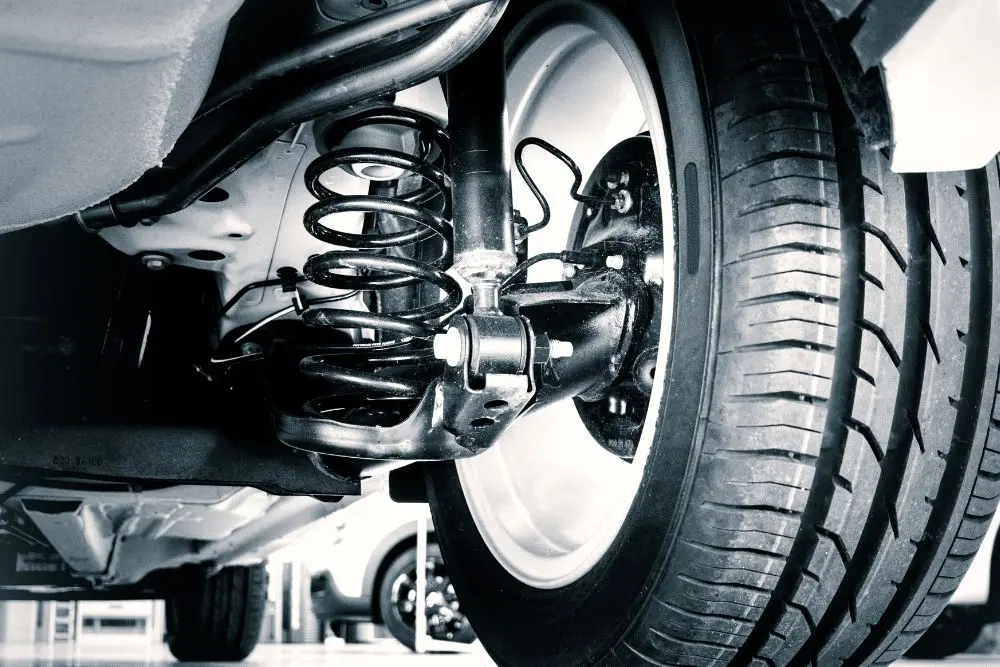
Brake Pads or Shoes: These friction materials press against the brake rotors or drums to create stopping power.
Brake Rotors or Drums: These rotating components provide the surface for the brake pads or shoes to grip, slowing down the wheels.
Brake Calipers or Wheel Cylinders: These hydraulic devices apply pressure to the brake pads or shoes, initiating the braking process.
Importance of Regular Maintenance
Maintain your vehicle’s brake system for safety and performance. Here’s why:
Safety: Properly functioning brakes are crucial for avoiding accidents and responding to unexpected hazards on the road.
Performance: Regular maintenance ensures optimal brake performance, providing smooth stops and reliable braking in all conditions.
Longevity: Routine maintenance extends the lifespan of brake system components, saving you money on costly repairs and replacements.
Signs Your Brakes Need Attention
Watch for these warning signs that your brakes may need maintenance:
Squealing or Grinding: These sounds indicate worn brake pads or damaged components.
Soft or Spongy Brake Pedal: A mushy pedal could signal air in the brake lines or worn brake pads.
Vibrations or Shuddering: Vibrations felt through the brake pedal or steering wheel may indicate warped brake rotors or other issues.
Brake System Maintenance Tips
Keep your brake system in top condition with these maintenance tips:
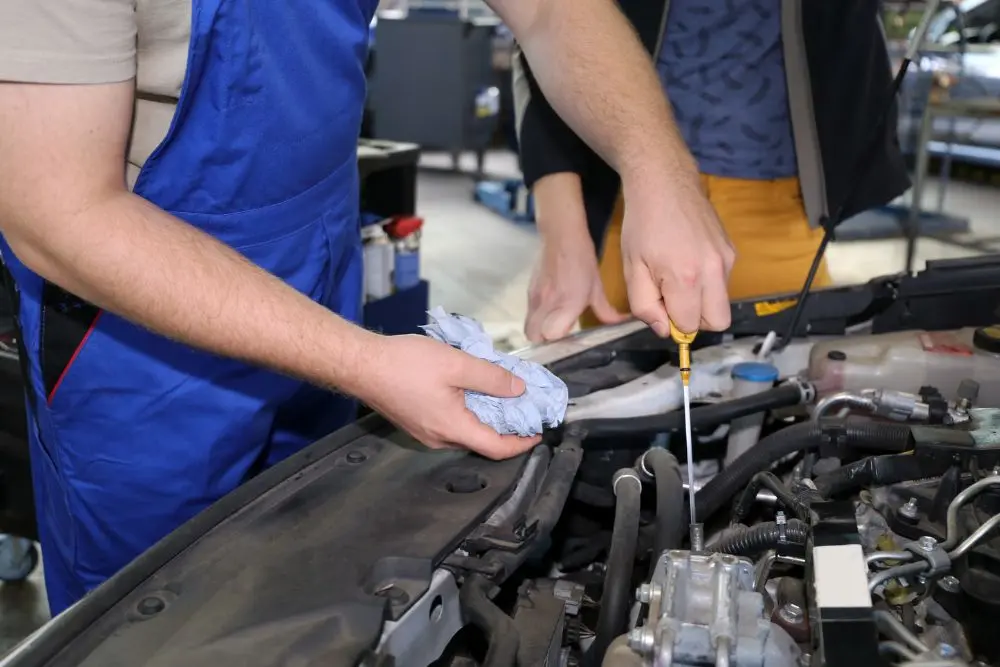
Regular Inspections: Have your brakes inspected by a qualified technician at least once a year or as recommended by your vehicle manufacturer.
Brake Fluid Flush: Replace brake fluid according to your vehicle’s maintenance schedule to prevent moisture buildup and ensure hydraulic integrity.
Brake Pad Replacement: To maintain optimal braking performance, replace brake pads when worn down to the minimum thickness.
Your vehicle’s brake system is the cornerstone of safety on the road. By understanding how your brakes work, recognizing signs that they need attention, and prioritizing regular maintenance, you can ensure they are always ready to perform when needed.